Turning disruption into opportunity in the food and drink industry
by Chris Moody
Head of Strategy, AgencyUK
While the last decade has been difficult for many industries, the UK food and drink industry has experienced a perfect storm of headwinds in quick succession.
Brexit, the COVID-19 pandemic, the Russia-Ukraine war’s impact on supply chains and the subsequent (and persistent) cost increases in energy, ingredients and labour have come together to pose significant, even existential challenges to food manufacturers’ operations.
Businesses have had to juggle absorbing costs or passing them on to increasingly price-sensitive consumers, while also managing retailer demands, staff expectations and investor expectations for profitability.
At the same time, societal, retailer, governmental, regulatory, investor and media interest and pressure have been unprecedented, across issues including:
- Net Zero, sustainability and transparency of ingredients and supply chain, recipes, production and packaging.
- New regulations on HFSS (high fat, sugar and salt) products, including restrictions prohibiting digital advertising and expanding the ‘sugar tax’ into ultra-processed foods.
- Increasingly specific demands around diets or lifestyles, e.g. vegetarian, vegan, gluten-free, lactose-free, no/low alcohol, no/low carbs.
All this has meant food and drink brand owners have had to focus internally and prioritise short-term survival over long-term strategic growth.
How have brands responded?
Reformulating or repackaging existing products.
Virtually every major manufacturer has implemented shrinkflation practices in the past couple of years, most often reducing pack/portion sizes by 10–15% while broadly maintaining retail prices. These all have operational impacts and absorb resources over and above ‘simple’ price changes.
Reacting to perceived demand and needs.
Brands have rushed to respond to the surge in demand for plant-based foods or other dietary requirements.
- Unilever brands Hellmann’s mayonnaise, Ben & Jerry’s and Magnum have all created plant-based versions, as have .
- Similarly, leading chocolate brands KitKat, Dairy Milk and Galaxy have done the same.
- Dolmio and other brands have started labelling products as plant-free (even if they always were plant-free).
- Both supermarket own-label and brands (Warburton’s, Crosta & Mollica) are producing gluten-free breads and pizza bases – previously the domain of niche producers purely for coeliacs.
- Weetabix has created a ‘high protein’ version of its core cereal.
- Richmond Sausages extended its vegetarian and plant-based range to as many as 10 varieties.
But is the tail wagging the dog?
According to Statista’s global consumer survey in September 2024, only around 3% of UK adults claim to be vegan, but food retailers and manufacturers appear to have significantly overestimated the rate or sustainability of the initial growth in interest.
While it’s true that younger consumers are more likely to consider and experiment with a vegan diet, they are a small minority of grocery retail purchasing power, and evidence to date suggests they’re perhaps not as committed as many industry figures might have hoped or thought. Almost 60% of the respondents in the Statista survey claim not to be following any ‘nutrition rules’.
Beware the algorithms.
The 24/7/365 news cycle and content creation of social media often mean that the ‘noise’ around the food and drink industry creates an intense focus on short-term fads or granular issues rather than broader, holistic health issues.
But while industries like technology and media have been completely overturned in less than a generation, the food and drink market is remarkably placid in comparison.
There are a lot of new entrants and some notable success stories (Yorkshire Tea, for example), but in many categories, the most popular brands now are not young upstarts but the old favourites whose appeal spans generations – and many of these ‘big fish’ are in defensive mode, developing products to cover themselves against potential new diet or health trends.
However, my anecdotal experience of the ‘reduced for quick sale’ shelves of my local supermarkets is validated by more than a few reports over the past year that demand for (especially) plant-based foods might be failing to sustain early or expected growth.
- The Good Food Institute of Europe reported that unit sales of plant-based foods fell by 10% in 2023 across virtually every category.
- Richmond Sausages and Heck! have both drastically reduced their ranges of non-meat sausages.
- Quorn suffered declining sales and made significant losses.
- Google search volumes for vegan diets have fallen back since 2020.
- Coca-Cola bought Australian Kombucha brand MOJO in 2018 as a way of accelerating its entry into healthier/functional soft drinks. However, MOJO announced its closure in 2022 after forecast demand failed to be realised.

The challenge for marketers: to mean more.
In the face of stagnating market growth, an influx of NPD launches and tighter HFSS regulations, building a strong, distinctive, consistent brand is more important than ever to command a price premium and become resistant to competitive promotions.
In the last five years, the industry has had to focus its efforts to address multiple adverse external forces, and while these aren’t necessarily receding completely, there is now a significant opportunity for brands to reignite communications and rebuild emotional resonance with consumers.
The key questions for brands.
- How can brands build greater emotional connections, rather than relying on the more functional marketing (such as pack size changes or diet-specific variants) of recent years?
- How can brands reconnect with the role food plays in our lives and place a greater focus on more universal trends and human truths?

Ready to mean more? We’ve been helping food and drinks brands do so for over 17 years.
From launching Chewits back to its rightful place as the nation’s chewiest sweet to reigniting the UK’s love for Welsh beef, pork and lamb, we’ve helped brands from every corner of the UK food and drink industry become smarter, more desirable and more valuable.
Take a look at our latest work to find out more!
Chang Beer
Utilising unique experiential activity to bring Thailand’s most famous beer to the forefront of the UK market.
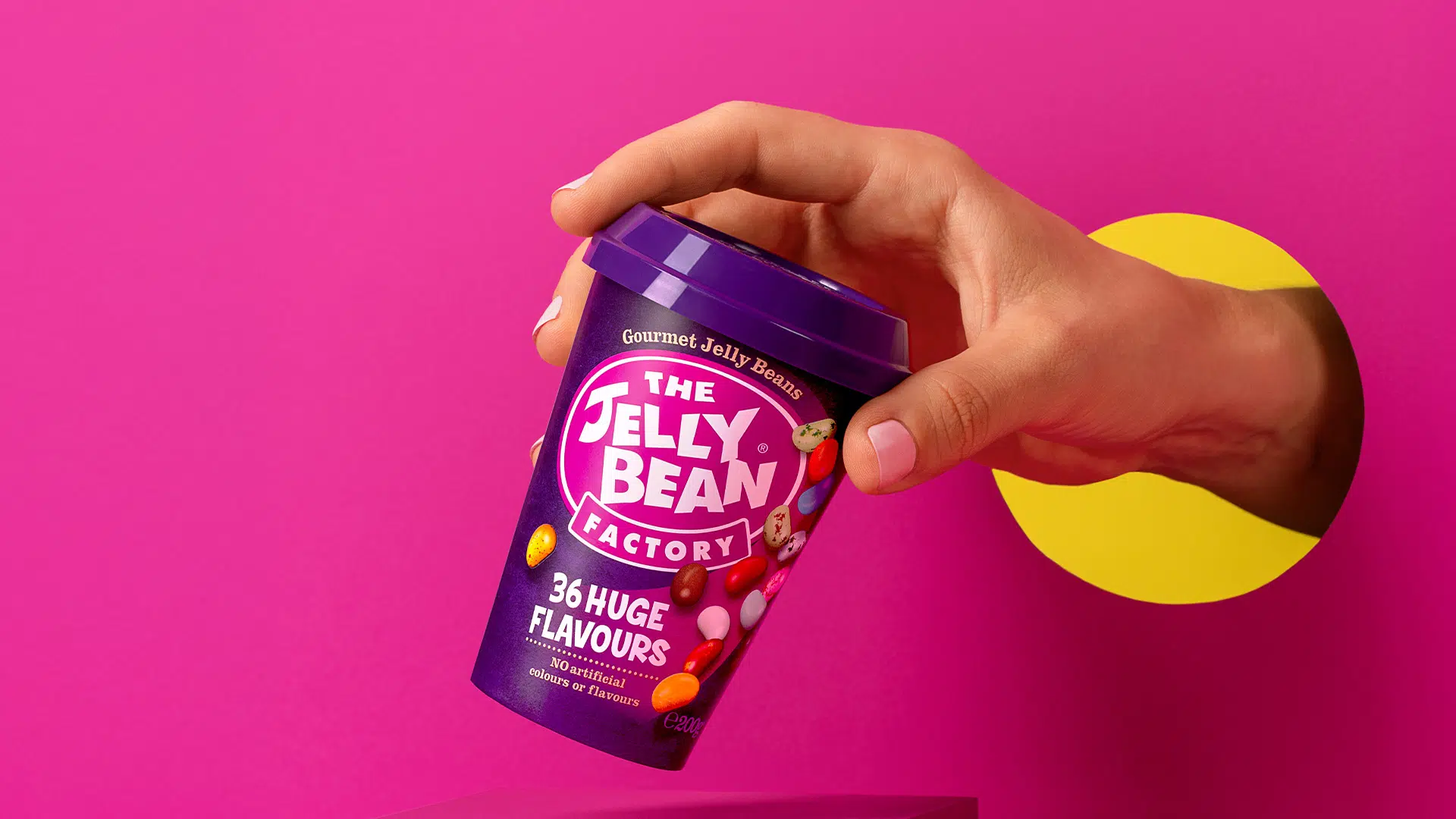
Jelly Bean Factory
Helping The Jelly Bean Factory stand out from the competition as a premium, gourmet product.
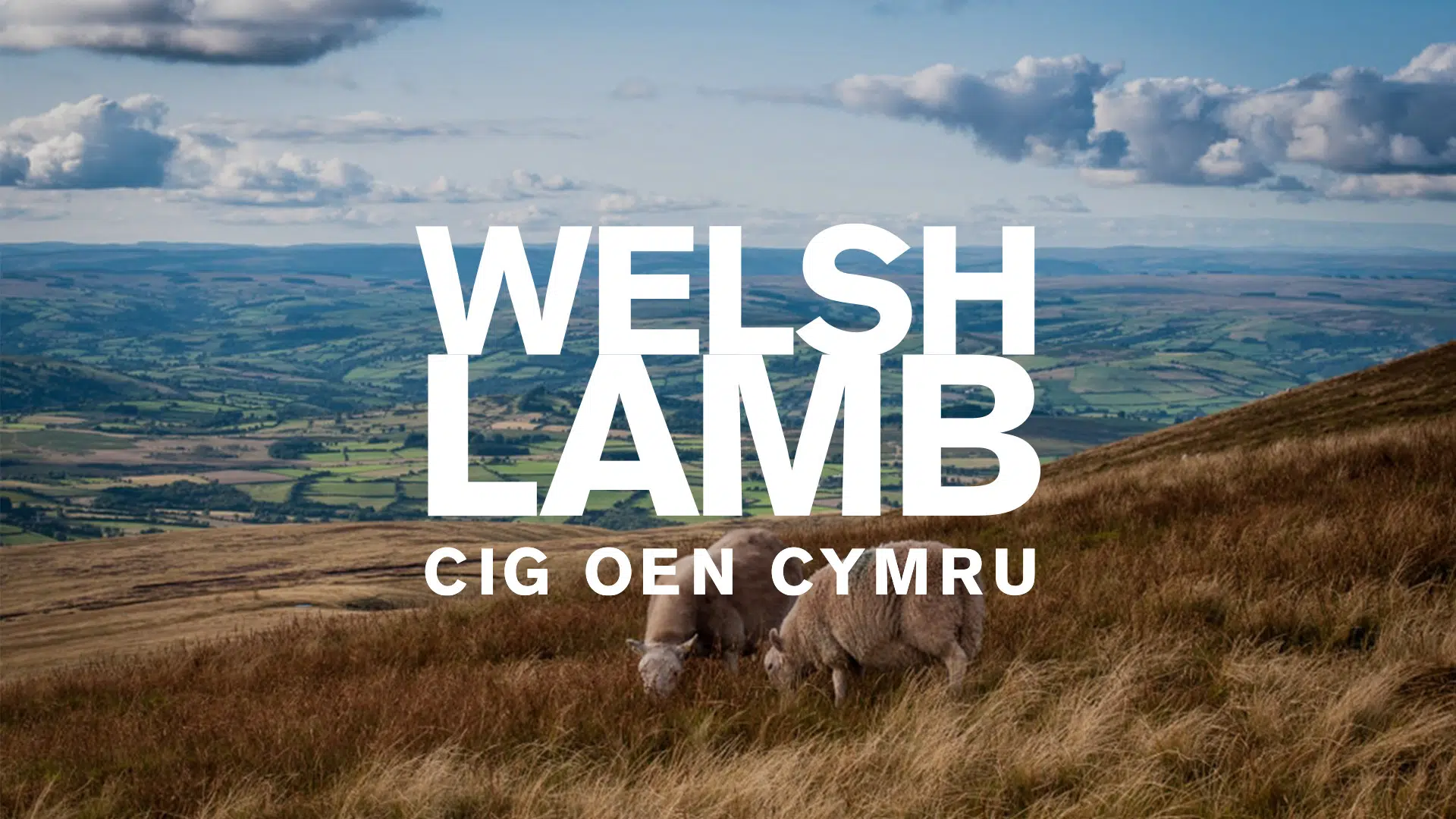
Welsh Lamb
Creating a comprehensive marketing strategy to position Welsh Lamb as first choice for the premium buyer.